In the realm of construction, choosing the right building method can significantly impact a project’s timeline, cost, and overall success. Two popular methods, precast concrete and tilt-up construction, offer distinct advantages and considerations.
Tilt-Up
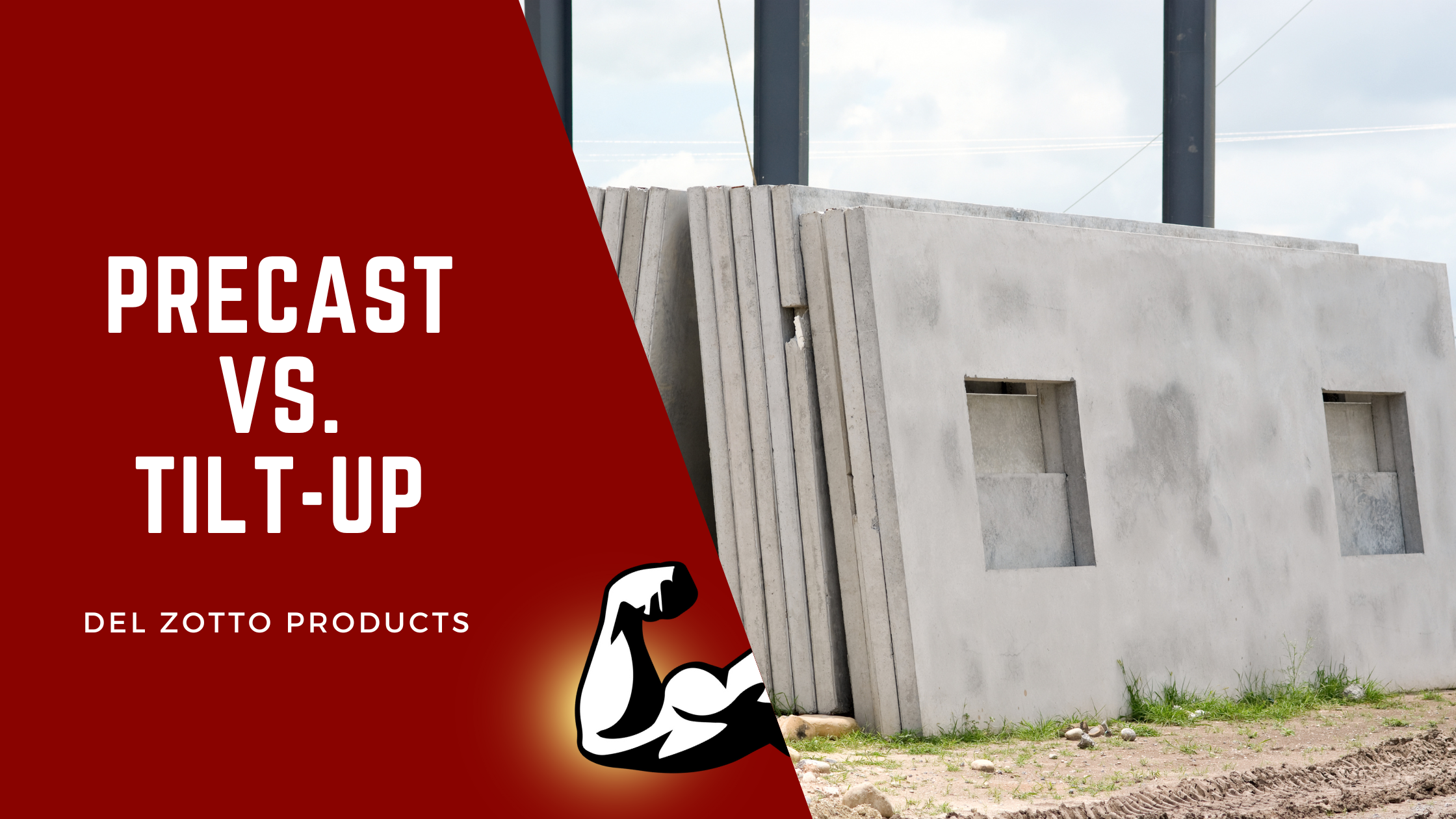
Tilt-up construction is a method used to construct concrete buildings by casting concrete walls on a horizontal surface (such as the ground or a slab) and then tilting them into a vertical position using cranes. This method is sometimes used for large commercial and industrial buildings.
Precast
Precast concrete is a construction product produced by casting concrete in a reusable mold or “form” which is then cured in a controlled environment, transported to the construction site, and lifted into place. It is used for a variety of applications, including buildings, bridges, and infrastructure projects.
Efficiency and Speed
One of the key advantages of precast concrete over tilt-up construction is its efficiency in manufacturing and installation. Precast concrete elements are manufactured in a controlled environment, allowing for precise quality control and quicker production times. On the other hand, tilt-up construction involves casting panels on-site, which can be affected by weather conditions and site limitations, potentially causing delays.
Cost-Effectiveness
Precast concrete often proves to be more cost-effective than tilt-up construction in the long run as it offers lower maintenance costs and a longer lifespan. Tilt-up construction may incur higher maintenance costs over time due to the potential for cracking and weathering of on-site cast panels produced with direct exposure to the elements.
Durability and Strength
In terms of durability and strength, precast concrete outperforms tilt-up construction. Precast concrete elements are manufactured under controlled conditions, ensuring consistent quality and strength. Precast concrete offers better resistance to weathering, corrosion, and impact compared to tilt-up panels, which can prove to be difficult to ensure complete quality on the building slab in the uncertain elements.
Results
Precast concrete stands out as the superior choice when compared to tilt-up construction. Its efficiency, cost-effectiveness, durability, and design flexibility make it a preferred option for a wide range of construction projects. Whether you’re planning a residential, commercial, or industrial project, choosing precast concrete can ensure a successful and sustainable building solution.
For high-quality precast concrete products that exceed industry standards, contact Del Zotto Products. With years of experience and a commitment to excellence, Del Zotto Products offers a wide range of precast concrete solutions tailored to your specific needs. Get in touch today for a free quote and experience the superiority of precast concrete in your next project.